


Artificial intelligence makes good employees better and bad ones worse
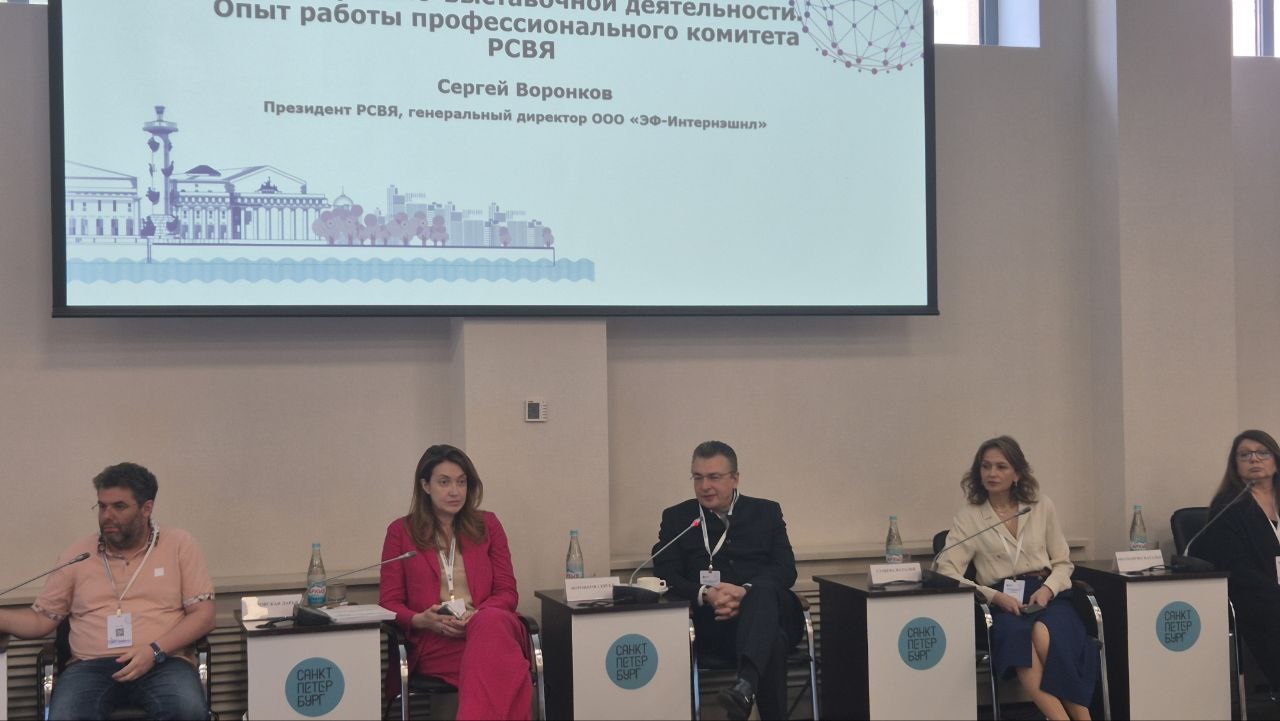
On June 16, the PetroCongress Convention Center hosted a seminar titled New Technologies and AI Solutions for Convention and Exhibition Activities. One of the speakers was Sergey Voronkov, CEO of ExpoForum International.
Sergey Voronkov emphasized that the phenomenon called Artificial Intelligence today is not technically such in the full sense of the word. True intelligence must have the ability to self-learn based on its own experience, whereas modern systems require constant ‘feeding’ with external data.
This conceptual clarity is important for understanding the limitations of modern technologies and setting the right expectations for their use. The speaker points to a paradox in modern AI development: even the most advanced systems are already facing a data shortage for further training, requiring the involvement of thousands of specialists to create synthetic data.
According to Voronkov, the future lies not in replacing humans with technology, but in their effective interaction. The speaker emphasizes that artificial intelligence is a new automation tool that utilizes advanced big data processing capabilities while maintaining a traditional structure: task formulation and execution follow-up remain the prerogative of humans.
«Artificial intelligence makes bad employees even worse and good ones even better. And this is a challenge, first of all, from the point of view of new qualifications of employees,» says Sergey Voronkov.
The expert also presented a three-tier classification of the use of artificial intelligence in convention and exhibition activities, based on the practical experience of ExpoForum:
The first level is Knowledge Management and Customer Service. This area includes systematization of all the organization’s knowledge for effective work with clients. AI helps manage the knowledge base by providing not static answer algorithms, but variable solutions for different situations. AI-powered chatbots inform customers about an organization’s services and capabilities.
The second level is Analytics and Content Generation, using the accumulated knowledge base to create analytical reports, business correspondence, design solutions, and other content. This level demonstrates AI’s ability to creatively use the existing data.
The third level is Specialized Application Solutions. Those are specific programs for the prompt performance of narrow tasks: simultaneous translation, audio logging, and process optimization.

