


Horses can heal
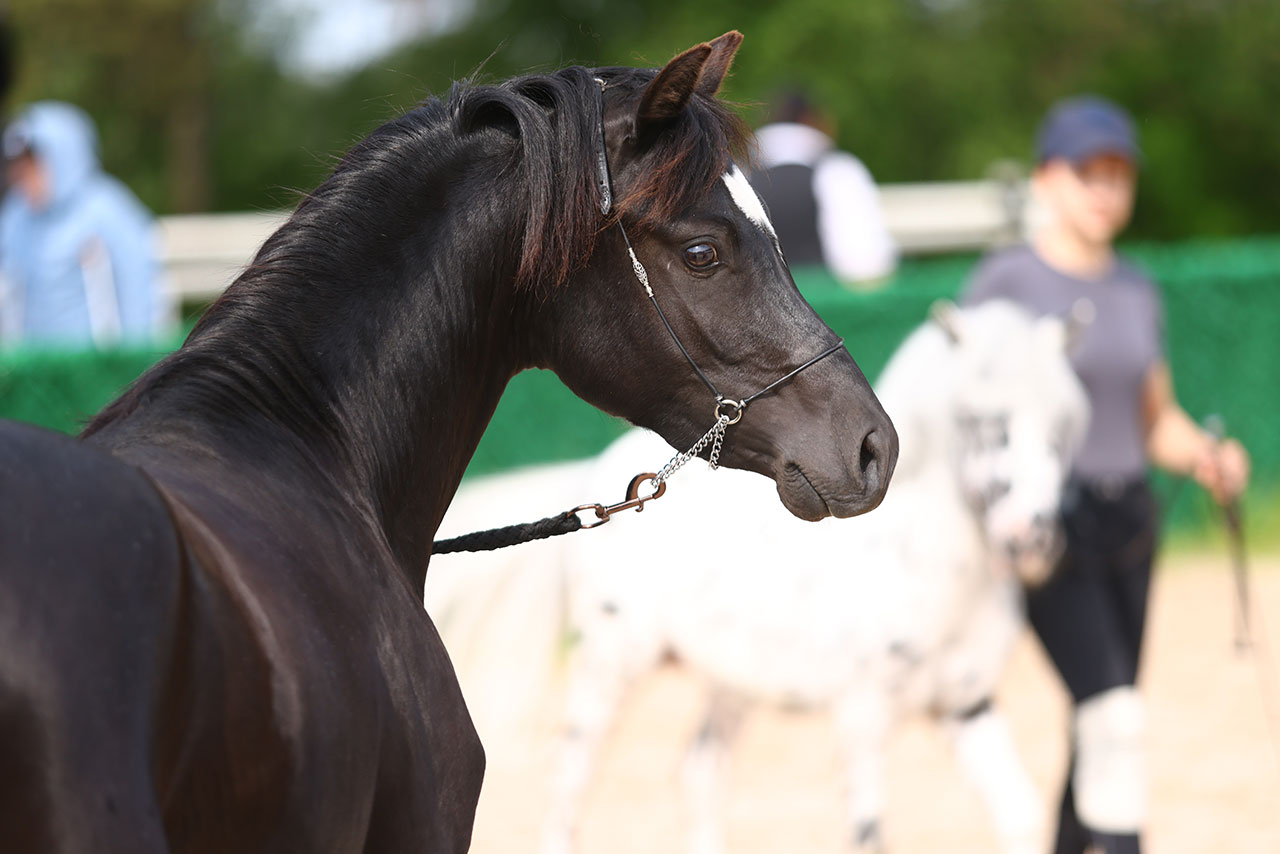
Horse movements can improve human well-being: they can contribute to rehabilitation, restore physical functions and mental health. The warm circle of participants in the roundtable discussion «Hippotherapy», held as part of the 26th Hipposphere 2025 International Exhibition, discussed the influence of horse biomechanics on riders and other aspects of hippotherapy.
A new state standard for adaptive horse riding services will come into effect on August 1, 2025. Yulia Slepchenko, Vice President of the National Federation of Hippotherapy and Adaptive Equestrian Sports, Director of the PoliEco Center for Adaptive Horse Riding Development, Doctor of Osteopathy, and special educator, said that this is good news for the Russian hippotherapy, as not every horse is suitable for rehabilitation, and the adoption of the standard resolves one of the key questions for hippotherapists: how to determine whether a particular horse is suitable for therapy.
As Yulia Slepchenko emphasized, hippotherapy is not a medical rehabilitation method, but rather a type of adaptive physical rehabilitation. Therefore, the method does not require a medical license, but does imply training for specialists.
«Basic hippotherapy works to restore fundamental bodily functions, correct pathological reflexes, and promote overall wellness,» the expert explained. «It is important to understand that we don’t treat diseases; we focus on rehabilitation, restoring lost physical abilities, correcting mental states, and addressing intellectual and speech issues.». The ultimate goal, she says, is to help people develop communication skills, integrate into society, and become employable and independent.
Yulia Slepchenko noted that working with people with autism spectrum disorders presents a particular challenge, requiring specialists to have a deep knowledge of special education methods. She also spoke of the most stringent requirements for horses intended for basic hippotherapy: «The new standards detail the tests for all three areas. Based on these, the horse will receive a certificate that determines what type of therapy it can be involved in.»
Irina Vishnevskaya, Member of the Board of the National Federation of Hippotherapy and Equestrian Sports, FEI Level 2 trainer, FES Level 2 trainer, and FES Tutor, revealed the mechanisms through which the horse’s movements influence a rider. «The biomechanics of human and horse movements have fundamental similarities. The rider’s nervous system reacts to the horse’s movement automatically and unconsciously. The more active the movement, the stronger the reaction, but if the stimulus is excessive, the body’s defense mechanisms are activated.»
According to her, the very essence of horse riding is the constant search for and maintenance of balance in motion. «The brain continuously sends signals to the body that are necessary for balance, which teaches a person conscious control over their movements,» Irina Vishnevskaya adds. She believes that the horse’s movement and the correct rider’s position are the main tools of this process. «Only a correct posture allows the rider to seamlessly connect with the horse. Having learned this skill, the rider masters control of their own body and the horse,» Vishnevskaya emphasized.
The Hipposphere 2025 International Equestrian Exhibition is held from June 12 to 15 at the Derby Equestrian Club in the village of Enkolovo, Leningrad Region. Free buses will shuttle between the exhibition and the Parnas and Devyatkino metro stations.

